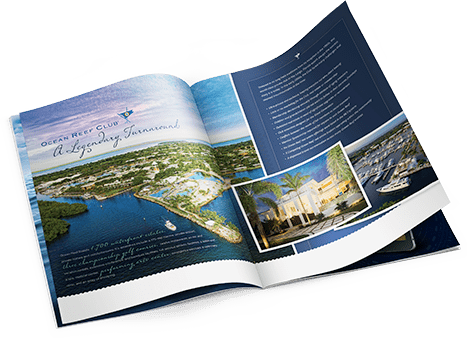
The way private clubs attract and convert members is changing. Historically, growth relied on referrals, reputation, and localized exposure. Those elements still matter, but they no longer define the outcome.
Today, discovery happens earlier and differently. Prospective members are forming opinions through search, digital content, and increasingly, AI-driven platforms. This shift introduces a new layer of competition—one that occurs before a prospect ever visits a club or speaks with a membership director.
Clubs that understand how to operate within this environment are gaining an advantage. Those that do not are becoming less visible at the exact moment interest is forming.
AI Visibility Is Now Part of the Competitive Landscape
AI visibility refers to how frequently and how accurately a club appears in AI-generated responses across platforms such as ChatGPT and Google’s AI-integrated search.
This is not a theoretical shift. It is already influencing how prospects identify options, compare alternatives, and form shortlists. Unlike traditional search, where multiple results are reviewed, AI-driven responses often consolidate information into a single answer. That compression increases the importance of being recognized as a credible source.
For private clubs, the implication is straightforward. Visibility is no longer limited to search rankings. It is determined by whether your club is considered a reliable reference point within the broader digital ecosystem.

Authority Has Replaced Exposure
Traditional marketing often focused on reach. The current environment rewards authority. Authority is established through consistency, clarity, and depth. It is reinforced when a club demonstrates ownership of its category—whether that is golf, lifestyle, or broader community positioning.
This requires more than a static website. It requires a structured presence that reflects clear positioning, consistent messaging and ongoing content that answers relevant questions. Clubs that approach digital presence as infrastructure rather than promotion are better positioned to be surfaced, referenced, and trusted.
This aligns directly with how Cotton & Company approaches AI visibility—as a structural requirement tied to discovery and credibility, not a tactical layer applied after the fact. This shift is not theoretical. It is being observed across some of the most respected private clubs in the country, including long-standing institutions such as Boca West Country Club, Quail Ridge, Sailfish Point, BallenIsles, and Orchid Island Club, where expectations around visibility, presentation, and member acquisition continue to evolve.
How Membership Is Being Generated Today
Clubs that are consistently growing membership are operating with greater discipline in three areas.
First, they are building visibility in both search and AI environments. This is done through content that directly addresses the questions prospective members are already asking. It is not promotional. It is informative, structured, and aligned with real decision-making behavior.
Second, they are managing their digital presence as the first impression. Before a visit is scheduled, a prospect has already evaluated the club online. Visual quality, clarity of positioning, and overall presentation influence whether interest moves forward or stops.
Third, they are treating membership as a managed pipeline. Interest is captured, tracked, and nurtured. Follow-up is structured. Communication is intentional. Growth becomes more predictable because it is no longer dependent on passive demand.

Content Is the Foundation of Visibility
Content is not an add-on. It is the mechanism through which visibility is established.
Private clubs that are gaining traction are developing content that reflects how prospects think direct answers to common questions, clear explanations of value and ongoing communication that reflects activity and relevance.
This type of content serves two purposes. It improves discoverability and reinforces credibility. AI systems, like prospective members, prioritize sources that demonstrate clarity and consistency over time.
A structured resource such as a private club industry guide or FAQ is one of the most effective ways to establish this foundation.
Video as a Differentiation Tool
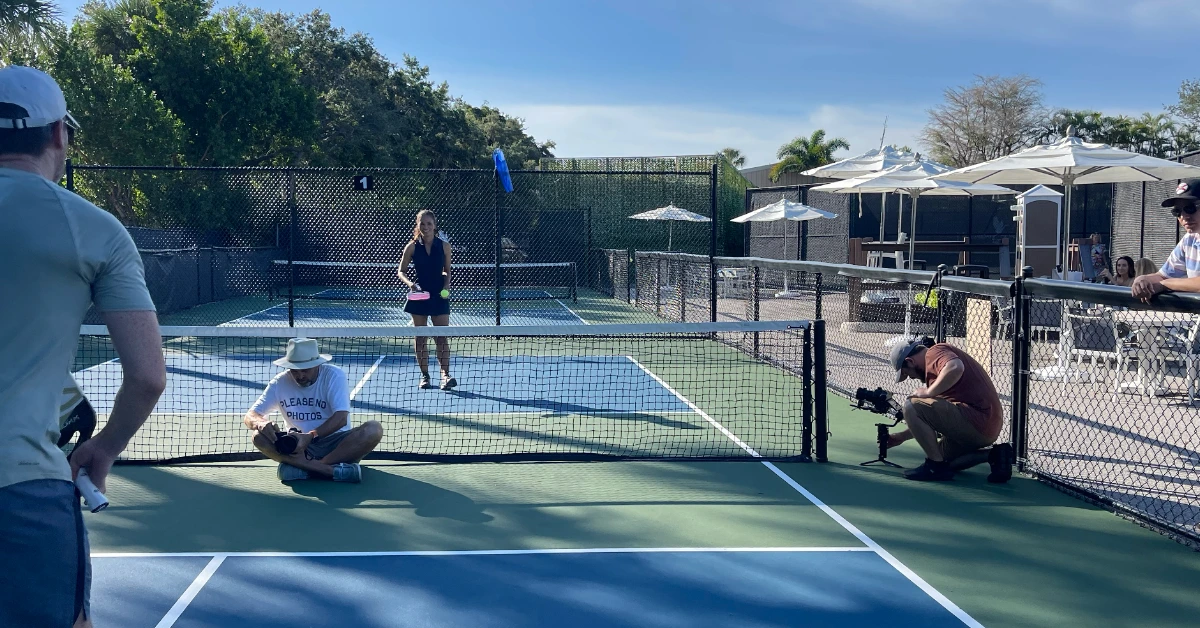
While written content supports discovery, video supports decision-making.
Private clubs are experiential by nature. That experience is difficult to communicate through text alone. Video provides a more accurate representation of atmosphere, culture, and lifestyle.
When executed properly, it shortens the gap between initial interest and meaningful engagement. It allows prospects to better understand what membership represents before they ever step on property.
Implications for Club Leadership
This shift is not about adopting new tactics. It is about recognizing a change in how decisions are being made.
Leadership teams should be evaluating:
- How their club appears during early-stage research
- Whether their digital presence reflects authority and clarity
- How effectively interest is being captured and advanced
Clubs that remain reliant on legacy approaches will continue to generate some level of demand. However, they will increasingly compete against organizations that are more visible, more accessible, and more aligned with current behavior.
A More Disciplined Approach Moving Forward
The clubs that perform best in this environment are not doing more. They are operating with greater alignment, brand positioning, membership strategy, and digital visibility are not treated as separate initiatives. They are managed as a coordinated system, with each element reinforcing the others.
This requires experience, judgment, and a clear understanding of how private clubs operate across different stages of growth. It also requires the ability to apply new tools—such as AI—without allowing them to dictate strategy.
The objective is not to follow change. It is to interpret it early and respond with discipline.