The definition of luxury residential living is changing, and the shift is influencing far more than architecture. It is changing how developers plan residences, how designers approach shared spaces and how luxury real estate is positioned for a generation of buyers who want greater freedom without sacrificing the qualities they value in a home.
For many affluent homeowners, the decision to leave a large single-family residence is no longer a conventional downsizing decision. They may want less maintenance, but they are not necessarily willing to accept smaller living spaces, limited outdoor areas or fewer opportunities to entertain. Their expectations are creating a new set of priorities for luxury condominium developers.
For marketing firms specializing in luxury residential real estate, understanding these priorities is essential. The most effective positioning begins long before a campaign is developed. It requires understanding the buyers, the architecture and the lifestyle decisions that bring the two together.
The Changing Definition of Downsizing
For decades, condominium living was often presented as a simpler alternative to owning a large home. Convenience and reduced maintenance were central selling points. Those benefits remain important, but they no longer tell the entire story.
Today’s luxury condominium buyers frequently want residences that maintain the proportions and functionality of a private estate. Generous ceiling heights, substantial storage, large entertaining spaces and privacy are not secondary considerations. They are fundamental to whether a buyer can envision making the transition.
Elyse Buckhead, a luxury residential development in Atlanta’s established Buckhead neighborhood, provides an example of this evolution.
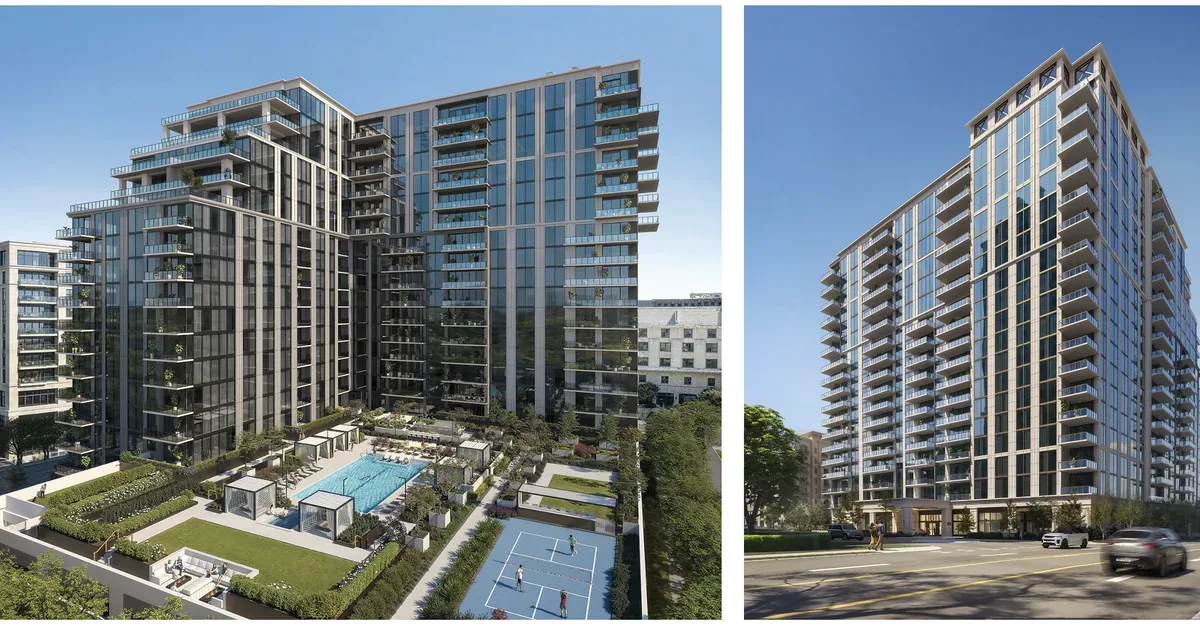
Designed by Atlanta-based architecture firm Rule Joy Trammellhttps://rjtrdesign.com/ + Rubio (RJTR), with Kolter Urban serving as development manager, the 20-story tower incorporates residences ranging from expansive one-bedroom layouts to estate and penthouse residences exceeding 4,000 square feet.
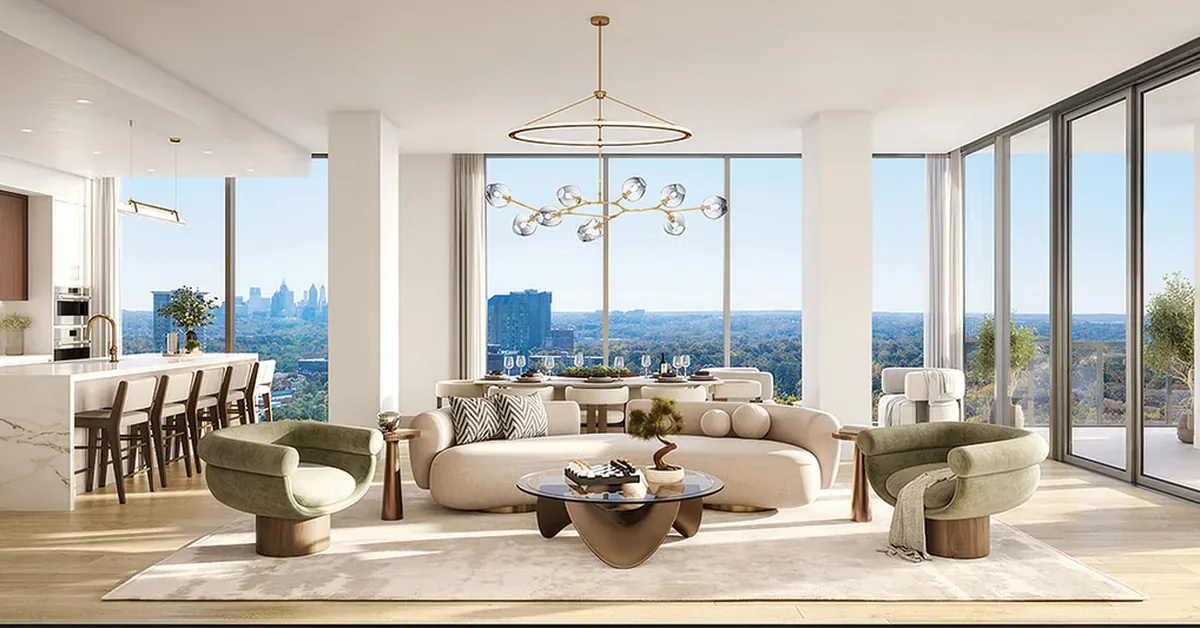
Ceiling heights, floor-to-ceiling glass, substantial walk-in closets and thoughtfully planned entertaining spaces reflect an understanding of buyers accustomed to larger private homes.
From a marketing perspective, the important story is not simply square footage. It is the ability to preserve the qualities buyers value while offering a different relationship with their homes and their time.

Outdoor Living Has Become an Extension of the Residence
Outdoor space has moved beyond its traditional role as a desirable architectural feature. For many luxury buyers, it is now an essential component of the residential experience.
A narrow balcony may provide a view, but a generously proportioned terrace can accommodate dining, entertaining and everyday relaxation. That functional difference influences how buyers evaluate a residence.
At Elyse Buckhead, private terraces reach up to 12 feet deep, with floor-to-ceiling glass connecting interior living areas to views of the surrounding tree canopy and Atlanta skyline.
The design also reflects the distinctive character of Buckhead, where mature landscaping and established residential neighborhoods contribute to the area’s identity.
For developers and their marketing partners, this reinforces the importance of presenting outdoor space as usable living area rather than simply as a visual amenity. Architectural renderings, residence descriptions and lifestyle photography should help buyers understand how a space can actually be enjoyed.
Amenities Are Replacing Functions of the Traditional Home
Luxury residential amenities have evolved considerably beyond the familiar collection of a pool, fitness center and clubroom.
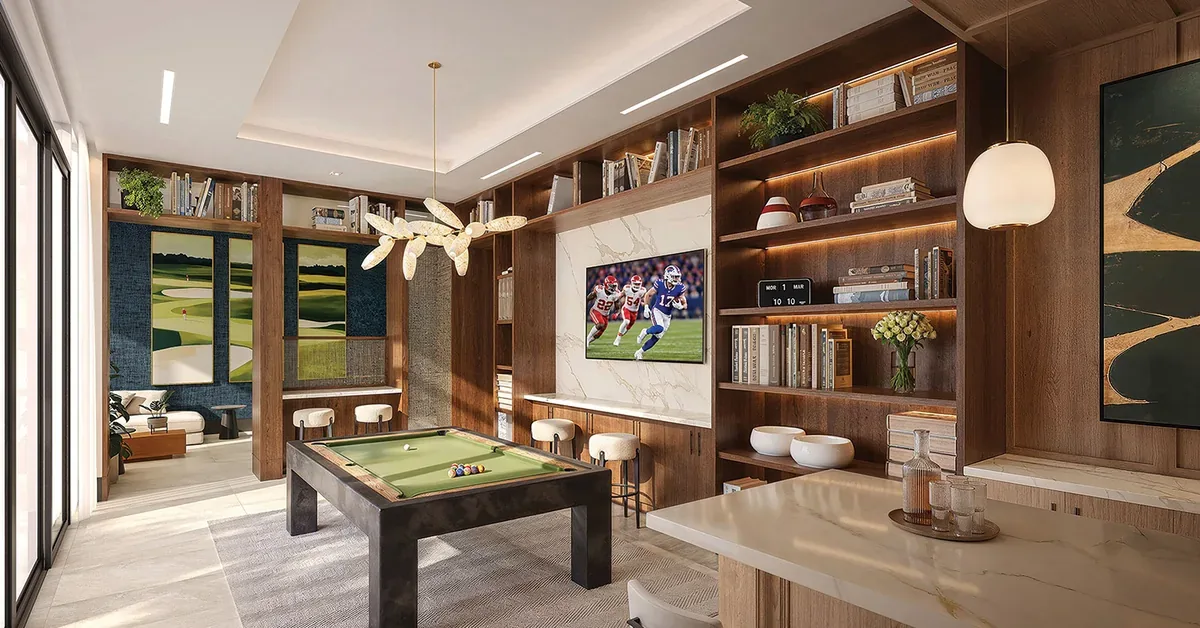
Today’s most successful amenity programs increasingly reflect the way residents live, entertain, work and accommodate visiting family members. Private dining rooms provide space for larger gatherings. Guest suites can reduce the need for an additional bedroom. Workspaces and wellness facilities support daily activities without requiring owners to leave the property.
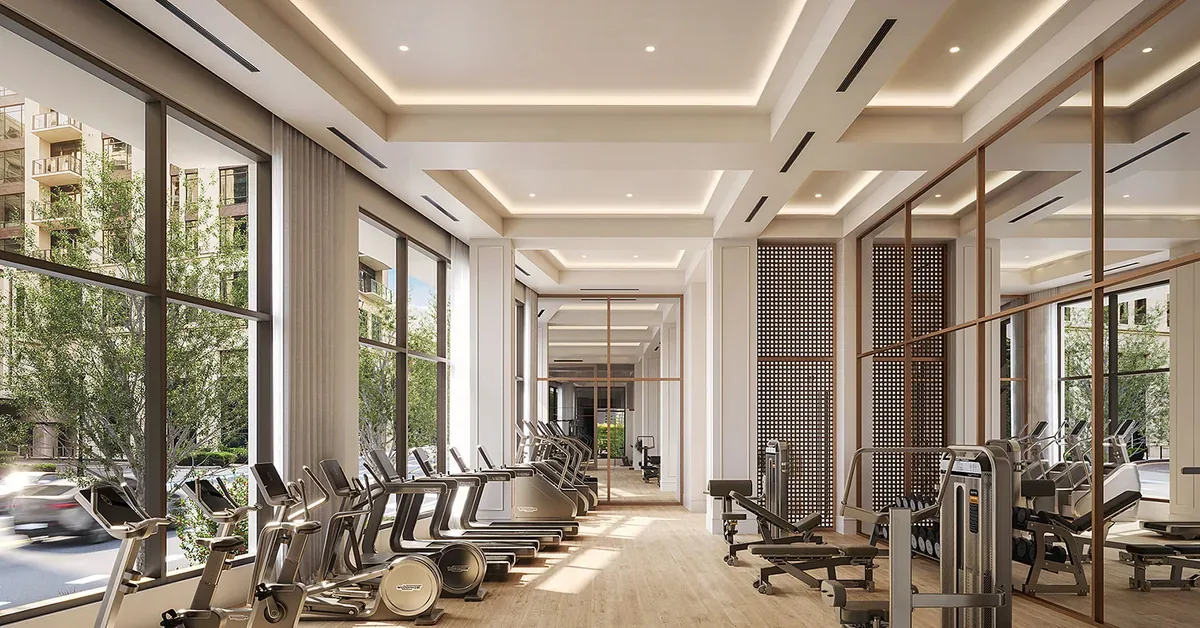
At Elyse Buckhead, CID Design Group is designing approximately 63,000 square feet of indoor and outdoor amenities, including private dining facilities, guest accommodations, collaborative workspaces, wellness environments and recreational spaces.
The important consideration is not the number of amenities, but how effectively they complement the residences and the lifestyles of prospective buyers.
For real estate marketers, that requires a more thoughtful approach than presenting a long inventory of features. A private dining room may be particularly relevant to a buyer who frequently entertains. Guest suites may appeal to homeowners whose children and grandchildren visit throughout the year. Wellness facilities can become an important part of a daily routine.
Understanding these connections allows marketing communications to explain the residential experience rather than merely describe the building.
The Neighborhood Remains Part of the Product
As luxury condominiums become more sophisticated, the surrounding neighborhood continues to play a defining role in purchasing decisions.
Buyers are not simply selecting a residence. They are making a decision about their daily routines, social connections and access to the places they value.
This is particularly relevant in established neighborhoods such as Buckhead, where private residences, hotels, dining, shopping and mature landscaping contribute to a recognizable sense of place.
Elyse Buckhead’s location on West Paces Ferry Road, adjacent to the St. Regis Atlanta, places the development within an established luxury residential environment. RJTR’s architectural approach considers that context, introducing a contemporary tower designed to respond to the surrounding neighborhood.
The same principle applies across luxury residential markets. Whether a development overlooks a waterfront park, occupies a walkable urban district or is located within a private residential community, its setting contributes to its identity.
Effective real estate positioning must account for that relationship. A property’s location is more than a list of nearby destinations. It is part of the reason buyers choose to live there.

Where Design Expertise Meets Market Knowledge
One of the most important considerations in luxury residential development is the relationship between the people creating a property and those responsible for bringing it to market.
Architects interpret the development vision through scale, materials, proportions and spatial relationships. Interior designers translate anticipated lifestyles into environments that support daily living. Developers contribute knowledge gained through previous projects, market experience and an understanding of what buyers are willing to invest in.
Sales professionals bring another critical perspective. Their daily conversations with prospective purchasers reveal emerging preferences, recurring objections and changes in how buyers evaluate residential opportunities. For a luxury real estate marketing agency, these different sources of expertise become the foundation for effective positioning.
At Cotton & Company, our work in luxury residential real estate centers on understanding these relationships and translating them into communication that connects a property’s defining characteristics with the motivations of its intended buyers.
The objective is not to invent a lifestyle around a collection of architectural features. It is to understand why those features were conceived, whom they are intended to serve and how they contribute to a compelling residential offering. That approach becomes particularly important as affluent buyers encounter an expanding range of luxury condominium choices across established and emerging markets.
The Future of Luxury Residential Positioning
The evolution of luxury condominium design reflects a broader change in consumer expectations. Buyers want greater convenience without compromising privacy. They value flexibility, functional outdoor space and amenities that support how they actually live. They also want a connection to the neighborhoods and communities they choose.
For developers, these expectations influence design and programming decisions. For marketing agencies, they create a responsibility to understand the thinking behind those decisions and communicate their value with accuracy and relevance.
The strongest luxury residential marketing begins with that understanding. Architecture, lifestyle and market knowledge are not separate stories. Together, they provide the foundation for a property’s identity and the way it is introduced to prospective buyers.
Cotton & Company is a marketing and advertising agency specializing in luxury residential real estate, working with developers and residential communities on branding, strategic positioning, creative development and integrated marketing communications.