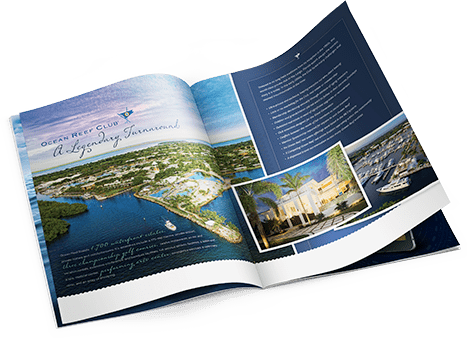
How changing market conditions, buyer behavior, and marketing innovation influence successful real estate development launches.
In real estate development, timing has always been a complicated business. Launch too early, and a project may struggle to gain traction before buyers are ready. Wait too long, and an opportunity may pass before the first campaign reaches the market. Of course, knowing the difference is easier said than done.
For more than 40 years, Cotton & Company has guided real estate developments through economic expansions, recessions, recoveries, and significant changes in how properties are marketed and sold. From print advertising and traditional sales presentations to digital platforms and artificial intelligence, the tools have evolved dramatically. Yet the underlying challenge remains much the same: understanding market conditions, recognizing buyer demand, and determining when a development is ready to enter the market.
Four decades of experience suggest that successful launch timing is less about waiting for ideal conditions and more about recognizing opportunity, preparing strategically, and knowing when to act.

Woodfield Country Club — archival print advertising spread.
The 1980s and 1990s: When Market Knowledge Led the Way
In Cotton & Company’s early years, real estate marketing relied heavily on print advertising, direct mail, sales presentations, and personal relationships. Without today’s digital analytics, understanding demand meant studying sales activity, listening to buyers, and recognizing changes in local market conditions.
Cotton’s early years included working with financial institutions, asset managers, and developers navigating distressed real estate. These assignments required more than generating awareness. Understanding pricing, positioning, and buyer confidence was essential to moving properties in challenging markets.
As conditions improved, those lessons also helped identify opportunities in emerging destinations. Rather than waiting until a location became widely established, developers could begin building demand ahead of broader market recognition, provided the product and positioning supported the opportunity.
The experience reinforced an enduring principle: market conditions influence launch decisions, but they don’t determine outcomes alone. Recognizing an opportunity before it becomes obvious can be just as important as knowing when conditions warrant a more cautious approach.
The 2000s: When Market Momentum Met Reality
The internet transformed how buyers discovered real estate. Websites made it possible to research communities, compare properties, and explore destinations before visiting a sales center. Developers could reach broader audiences, while the housing expansion of the early 2000s created considerable momentum across the industry.
Then came the financial crisis.
As financing tightened and buyer confidence declined, developments faced dramatically different conditions from those anticipated at launch. Cotton & Company’s involvement in repositioning and recovery assignments during this period reinforced the distinction between strong market activity and sustainable buyer demand.
A favorable economy doesn’t automatically validate assumptions about pricing, buyer qualifications, or long-term absorption. Similarly, changing market conditions don’t always require abandoning a development’s marketing strategy. They may call for different positioning, a more focused audience, or adjustments to the timing and intensity of advertising investment.
The experience demonstrated why launch strategy must remain responsive. A project introduced during an expansion may need an entirely different approach when buyer confidence changes, even when the underlying development remains competitive.

Boca West Country Club — Cotton’s repositioning connected home marketing with the private-club lifestyle.
The 2010s: When Data Changed the Conversation
By the 2010s, search engines, mobile technology, social media, and digital advertising had transformed development marketing. Advances in analytics and customer relationship management also made it easier to understand what happened after prospective buyers encountered a campaign.
Marketing teams could evaluate where qualified prospects originated, which messages generated interest, and how buyers progressed from inquiry to appointment or contract. For developers, these insights created opportunities to assess market readiness before committing to larger advertising investments.
But greater access to data also introduced the temptation to confuse activity with results. Website traffic, advertising impressions, and lead volume may indicate interest without demonstrating genuine purchase intent.
For developments with longer sales cycles, particularly master-planned communities and resort residential projects, understanding the difference becomes essential. Marketing performance should be evaluated alongside sales feedback, buyer qualifications, and absorption objectives.
Data improved the ability to recognize changing demand. Experience remained necessary to determine what those changes meant for launch timing and marketing investment.

SeaGlass — Jupiter Island oceanfront residences supported by Cotton’s branding, web development and lead-generation program.
The 2020s: When Experience Meets Artificial Intelligence
Today, artificial intelligence is introducing another significant change in how marketers understand consumer behavior and anticipate demand. AI-assisted research, audience intelligence, and first-party data are expanding the information available to developers and their marketing partners.
For Cotton & Company, the opportunity goes beyond adopting new technology. It involves applying more than four decades of development experience to the information these tools can provide.
Cotton & Company President Laurie Andrews, who joined the agency in 1988, has witnessed much of this evolution firsthand.

“Things have always been changing. There’s always something new coming at you, and we’ve had to learn to stay ahead of it,” Andrews explained during a recent interview.
That philosophy continues to influence the agency’s approach to innovation. Andrews sees particular potential in making accumulated industry experience more accessible and combining historical knowledge with emerging technology.
“AI is allowing us to capture that institutional knowledge in a way that can make it easily accessible,” she explained.
Historical performance helps reveal how buyers responded during previous market conditions. Current behavioral information may provide additional insight into emerging interests and changing expectations. Together, they can help developers make more informed decisions about when to introduce a project, adjust positioning, or accelerate marketing activity.
As Andrews observed, “Marketing has always been the art and science.” Technology can expand what marketers know, but interpreting that information still requires professional judgment.

Orchid Island — a private beach-and-golf community near Vero Beach, Florida.
What Four Decades Teach Us About Launching Today
Perhaps the most significant lesson is that market readiness and development readiness aren’t necessarily the same thing. A strong economy doesn’t guarantee buyers will respond to a particular development, just as uncertain conditions don’t automatically mean a project should remain on hold.
The distinction between preparing for market and fully activating a launch is equally important.
Research, brand positioning, website development, sales materials, and lead management systems can be established while market conditions are evaluated. This foundational work allows developers to prepare sales teams, build awareness, and begin gathering qualified interest before committing to a broader advertising investment.
As buyer demand strengthens, marketing activity can be increased. If response is weaker than expected, positioning, messaging, or investment can be adjusted before additional capital is committed.
Launch decisions should reflect buyer qualifications, pricing, construction progress, competitive conditions, and anticipated sales absorption. For complex developments involving multiple phases, builders, or amenities, those considerations continue well beyond the initial introduction.
Successful launch timing is rarely one decision made on a particular date. It is an ongoing evaluation of opportunity, readiness, and market response.
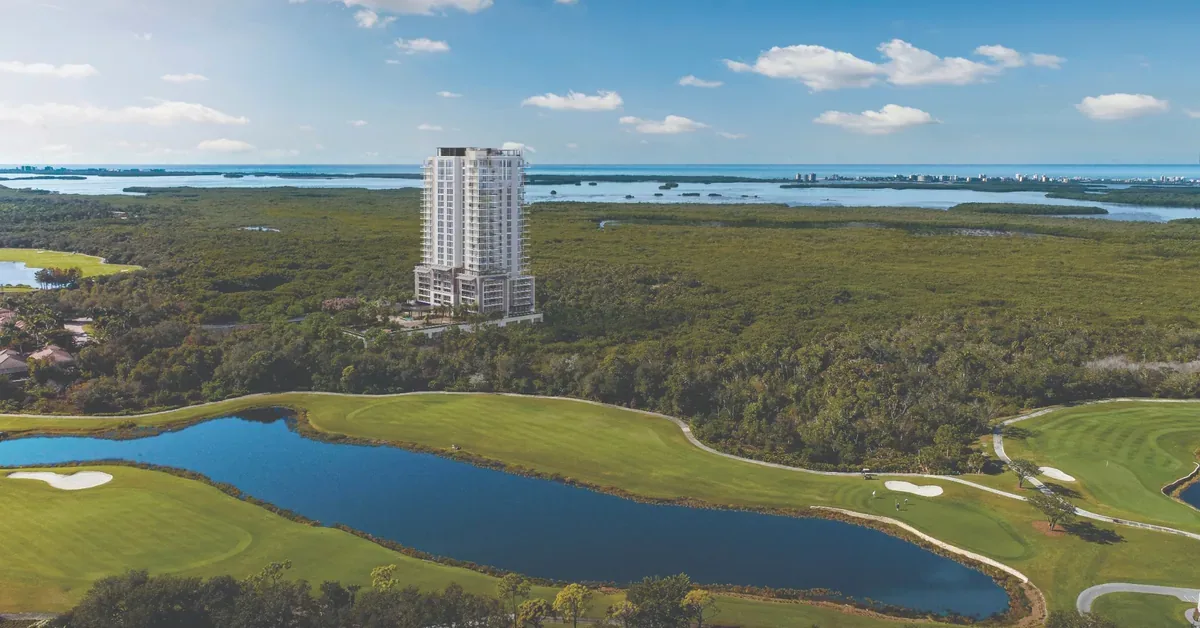
The Island at West Bay — condominium tower in Estero, Florida (architectural rendering).
Some Things Haven’t Changed
Looking back across four decades, the evolution of real estate marketing is remarkable. From print advertising and direct mail to sophisticated digital targeting and artificial intelligence, developers have more ways than ever to reach prospective buyers and evaluate market demand.
Yet the fundamentals remain familiar.
During her interview, Andrews returned to three questions that have guided her approach throughout her career: “Who am I talking to, what do I want them to remember, if it’s one thing, and what action do I want them to take?”
Those questions are as relevant to an AI-informed campaign today as they were to a print advertisement decades ago.
Cotton & Company’s experience across multiple market cycles demonstrates that successful development marketing requires more than responding to economic forecasts or embracing new technology. It requires understanding how changing conditions influence buyers and making informed decisions about when to invest, when to adjust, and when an opportunity deserves attention.
The objective isn’t to predict the perfect moment. It’s to understand the market well enough to recognize the right one.